When you think of a free printable calendar 2026 South Africa, you might picture sun‑lit coastlines and vibrant cityscapes. Yet beneath those pages lies a subtle reminder of the power that drives the nation—flow turbines. These machines, quietly turning water into electricity, have long been a backbone of South Africa’s renewable energy strategy.
Why Flow Turbines Matter in 2026
South Africa’s 2026 energy mix is projected to see a 30 % rise in hydroelectric output. Flow turbines, especially Kaplan and Francis designs, are key to capturing that potential. They convert the kinetic energy of flowing water into rotational force, which in turn spins generators to produce clean electricity.
Common Mistakes in Turbine Selection
- Over‑estimating Flow Rates: Designers often assume constant water volume, leading to under‑powered turbines that struggle during dry seasons.
- Ignoring Head Variability: A turbine that performs well at a high head can falter when the river drops to a lower head.
- Neglecting Maintenance Planning: Without scheduled inspections, debris buildup can reduce efficiency by up to 20 %.
Smarter Alternatives for 2026
- Variable‑Speed Turbines: These adapt to changing head and flow, keeping output steady even when water levels dip.
- Hybrid Systems: Combining small turbines with solar panels maximises output during dry months.
- Smart Monitoring: IoT sensors provide real‑time data on pressure, temperature, and vibration, enabling predictive maintenance.
Design Insights: From Concept to Calendar
Imagine scrolling through your free printable calendar 2026 South Africa and seeing a subtle illustration of a Kaplan turbine beneath each month’s title. This visual cue reminds residents that sustainable energy is woven into everyday life.

Engineers use these designs as a reference when tailoring turbine blade geometry. The curves must match the expected flow profile—much like how a calendar page aligns with a user’s schedule.
Case Study: The Vaal River Project
The Vaal River’s latest expansion incorporates a 25 MW Kaplan turbine system. By adjusting blade pitch automatically, the plant maintains peak efficiency across the year’s seasonal variations. Project managers report a 12 % increase in energy output and a 15 % reduction in downtime.
Implications for Residents and Businesses
For households, the ripple effect is a steadier power supply and lower electricity bills. Commercial entities, especially in mining and manufacturing, benefit from reduced risk of outages. Moreover, the visual integration of turbine imagery in public calendars fosters a culture of energy awareness.

In the broader sense, South Africa’s shift toward smarter turbine technology is a testament to its commitment to climate resilience. By aligning renewable infrastructure with everyday tools like calendars, the nation turns abstract concepts into tangible, daily reminders of progress.
Next Steps for Stakeholders
- Local Governments: Incorporate turbine imagery into community outreach materials to boost public engagement.
- Energy Companies: Invest in variable‑speed turbines and real‑time monitoring to meet the 2026 targets.
- Educators: Use the calendar’s turbine graphics to teach students about hydroelectric principles.
Closing Thoughts
Free printable calendar 2026 South Africa isn’t just a scheduling aid; it’s a canvas that can depict the nation’s journey toward cleaner energy. By acknowledging common pitfalls in turbine design and embracing smarter alternatives, South Africa can keep its power flow steady—just like the pages of its calendars, turning reliably from one month to the next.
Energía Hidráulica - ERMA 2006/07 - Ppt Descargar
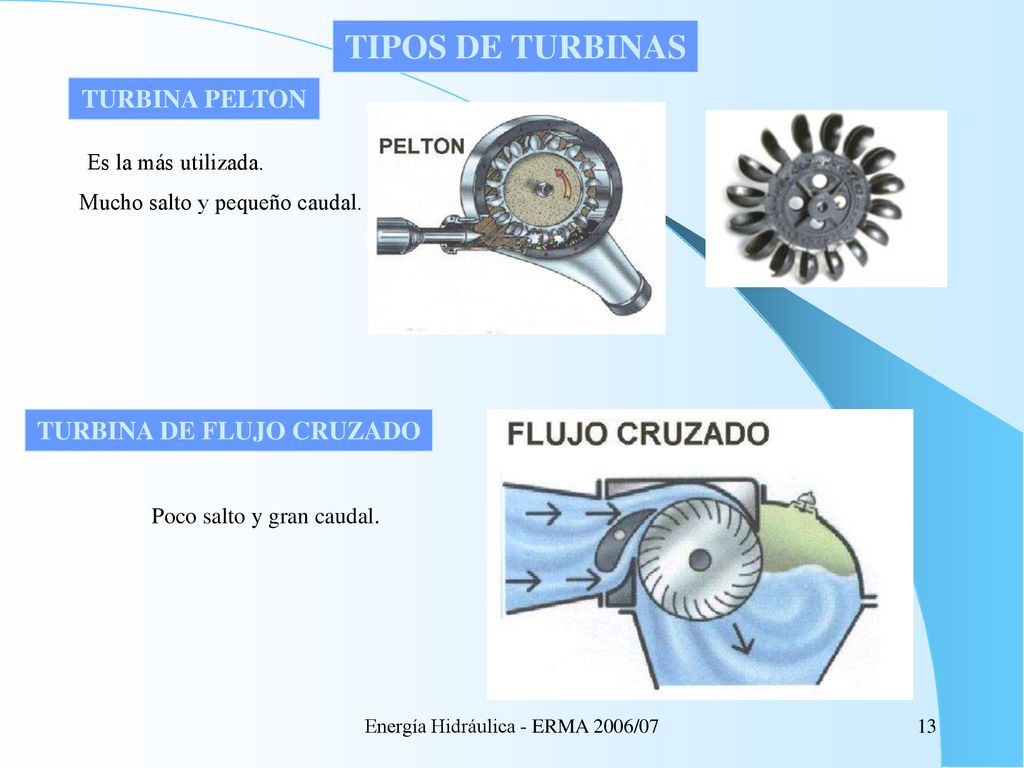
Energía Hidráulica - ERMA 2006/07 - ppt descargar
Turbina De Reacție Cu Flux Exterior | PDF

Turbina de Reacție Cu Flux Exterior | PDF
A Turbina De Fluxo
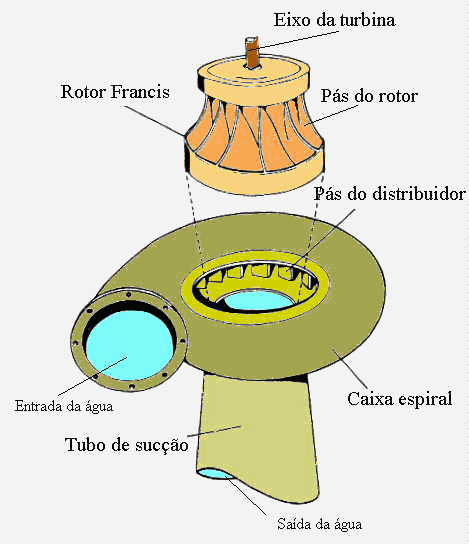
A turbina de fluxo
Turbina De Gas De Flujo Axial/ Motor De Reacción, Controlada Desde
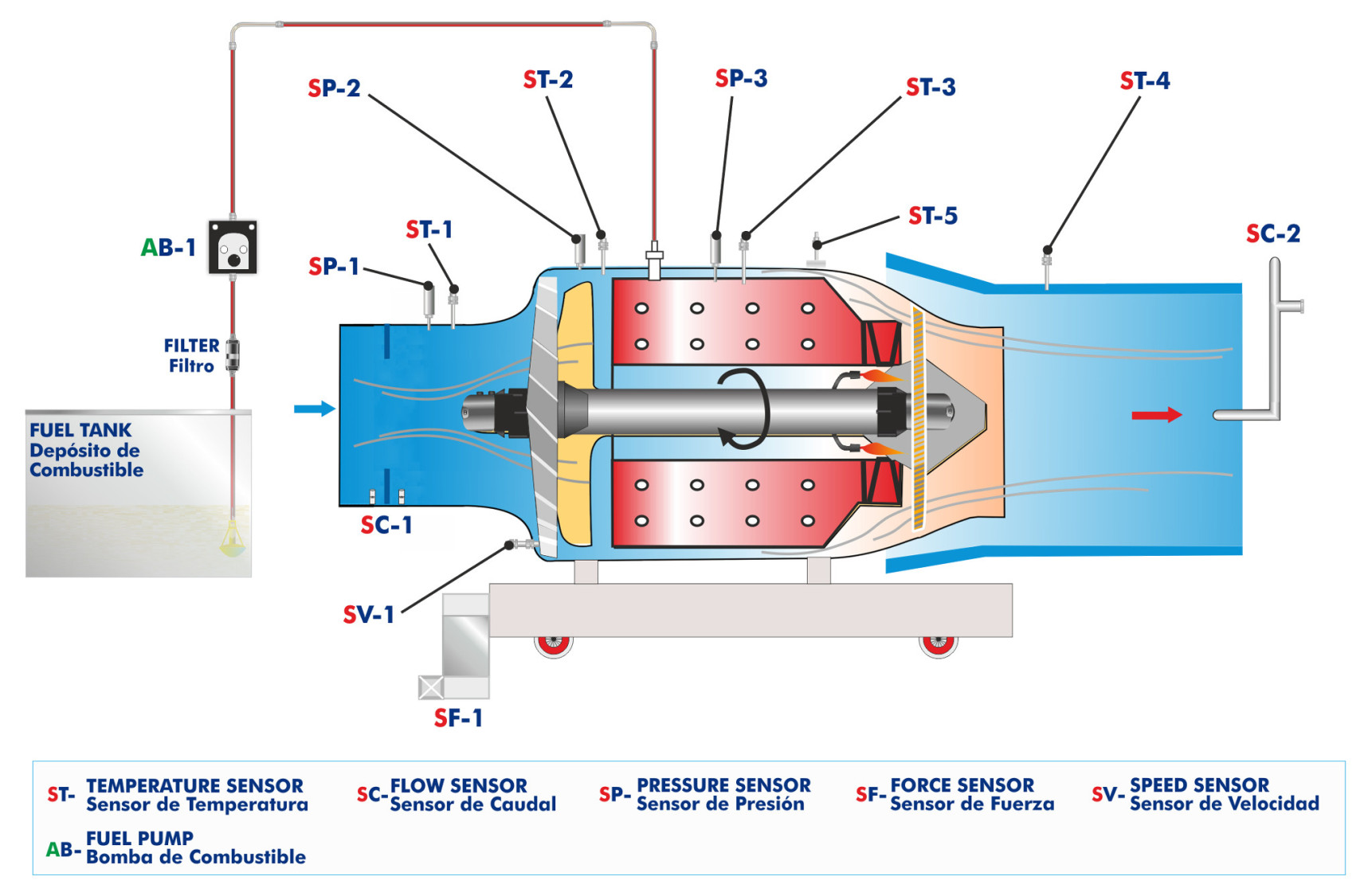
Turbina de Gas de Flujo Axial/ Motor de Reacción, Controlada desde ...
A Turbina De Fluxo
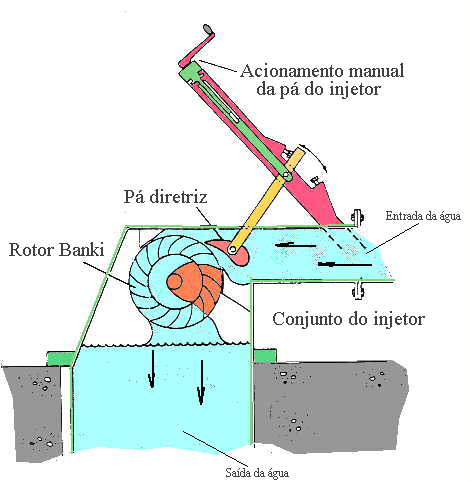
A turbina de fluxo