The Washington State Vehicle Bill of Sale and Registration Process is the backbone of every private or dealer transaction, converting a simple exchange of keys into a legally recognized transfer of ownership. Whether you’re buying a used sedan from a neighbor, importing a classic from another state, or inheriting a family truck, the state requires a signed bill of sale, a completed title, and a series of fees before the Department of Licensing (DOL) will issue new plates and registration stickers.
Why a Bill of Sale Matters in Every Transaction
A bill of sale is more than a receipt; it documents the buyer’s and seller’s identities, the vehicle identification number (VIN), the purchase price, and the exact date of transfer. Washington law mandates this paper trail to protect both parties from fraud and to establish the taxable value of the vehicle. In a private sale, the seller must hand the buyer a notarized bill of sale if the vehicle is less than five years old, while a dealer‑provided bill of sale suffices for most commercial sales.

Step‑by‑Step Registration Walkthrough
- Gather Required Documents: current title (signed by the seller), a completed bill of sale, proof of Washington residency, and a valid Washington driver’s license.
- Complete the Application for Title and Registration (Form TD‑420‑001): this form captures vehicle details, mileage, and the buyer’s address.
- Pay the Fees: the state sales tax (6.5% plus any local rate) is calculated on the purchase price, plus a title fee, registration fee based on vehicle weight, and a possible emissions test fee for older models.
- Submit the Package: you can file in person at a DOL office, via a licensed tag agency, or through the online portal if all documents are digitally scanned.
- Receive New Plates and Registration Sticker: once processed, the DOL mails the plates and a registration tab that must be affixed to the rear license plate within 30 days.
Special Scenarios: Out‑of‑State Purchases and Family Transfers
Buying a car from Oregon or Idaho introduces two extra steps. First, you must obtain an out‑of‑state title and have it notarized; second, the vehicle must pass Washington’s emissions inspection before the DOL will accept the registration. For family transfers—such as a vehicle inherited from a parent—the bill of sale can be replaced with a death certificate and a signed affidavit, but the buyer still needs to pay the same taxes and fees.
Common Pitfalls and How to Avoid Them
- Missing signatures: Both parties must sign the title and bill of sale; a single unsigned line will delay processing.
- Incorrect VIN: Double‑check the VIN on the title matches the one on the vehicle; a typo can trigger a title hold.
- Late fee calculation: Register within 30 days of purchase to avoid a $20 penalty plus interest.
- Residency proof: Utility bills, lease agreements, or a Washington driver’s license are accepted; a PO box alone will not suffice.
After Registration: What’s Next?
Once the DOL confirms the transfer, the new registration card and license plates become the buyer’s legal proof of ownership. It’s advisable to store the bill of sale and title in a fire‑proof safe for future reference, especially if the vehicle is later sold, donated, or written off. The DOL also sends a reminder when the registration renewal date approaches, typically every six months for passenger vehicles.
By following the outlined steps, respecting documentation requirements, and anticipating special circumstances, detail‑oriented researchers and everyday buyers alike can navigate the Washington State Vehicle Bill of Sale and Registration Process with confidence and minimal hassle.
The Portrait Gallery: George Washington
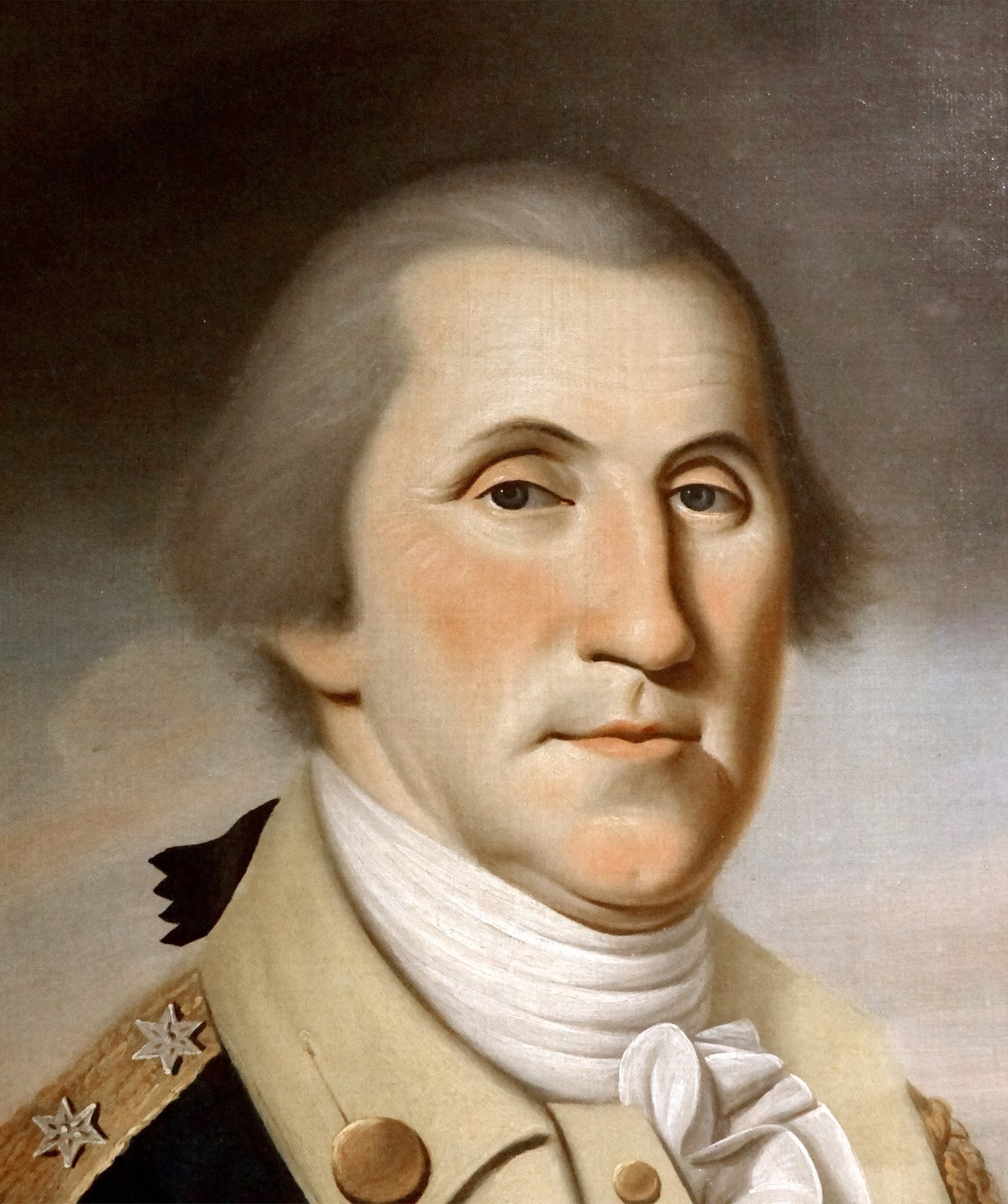
The Portrait Gallery: George Washington
Washington Dc Tourist Map Printable - UK Printable Hub
Washington Dc Tourist Map Printable - UK Printable Hub
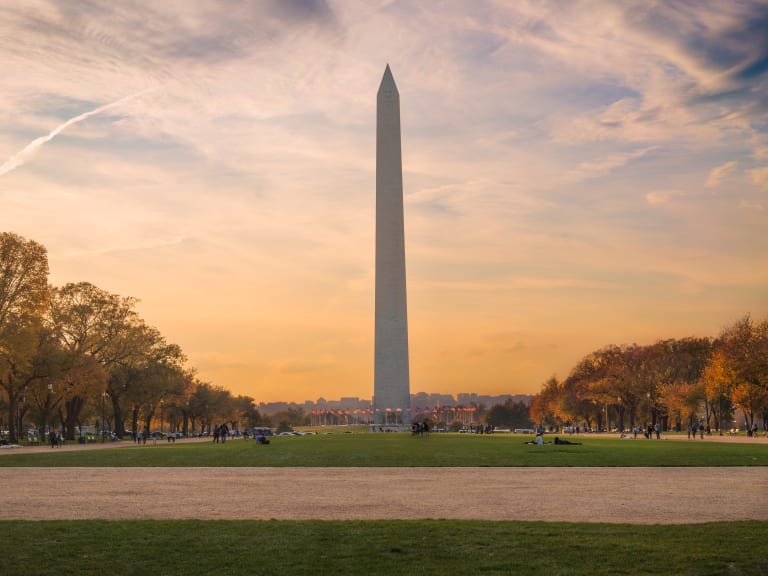
Beyond The Walls: The Washington Monument And The Lincoln Memorial

Beyond the Walls: The Washington Monument and the Lincoln Memorial ...