In today’s fast‑paced world, a quiet, respectful home hinges on clear, compassionate signage. Whether you’re reminding family members to keep pets away from delicate plants, marking the boundaries of a shared workspace, or indicating health‑monitoring stations, the right signs can reduce conflict, promote safety, and create a peaceful atmosphere.
How Do You Decide Which Signage Matters Most?
Start by mapping the most frequent interactions in each room. List the people who occupy the space, the routine activities they perform, and any potential points of friction. A quick survey of household members can reveal hidden concerns—like a toddler’s curiosity about the kitchen stove or a roommate’s need for quiet study time. Prioritizing these interactions helps you choose signs that truly serve the family.
Can Health‑Monitoring Signs Reduce Stress and Improve Wellness?
Introducing at‑home health checks can reassure families and encourage proactive care. For example, a simple “Cardio Check” station with a wearable or a handheld monitor reminds everyone to track heart health regularly.  Such signs work best when placed near the equipment, using friendly language: “Check Your Heart Today”. Pair the sign with a small calendar or a QR code linking to a health‑app tutorial, turning the space into a proactive wellness hub.
Which Safety Signs Keep the Home Safe Without Feeling Overbearing?
Safety signage should be visible yet unobtrusive. In the kitchen, a low‑profile “Sharp Objects—Handle with Care” sticker on the drawer or a discreet “Water‑Resistant” sign beside the sink can reduce accidents. For bedrooms, consider a “Quiet Zone” banner that encourages a calm bedtime routine. Use muted colors and clear icons to avoid visual clutter while maintaining effectiveness.
Can Technology Enhance Respectful Signage?
Smart displays and digital noticeboards can adapt to your household’s changing needs. A small tablet on the entryway can cycle through rotating messages—“Welcome Home,” “Please Check Your Shoes,” “Quiet Time Starts 8 p.m.”—and update automatically with your calendar. If you’re monitoring a pandemic’s impact, a digital Covid test results indicator can keep everyone informed without constant verbal checks. 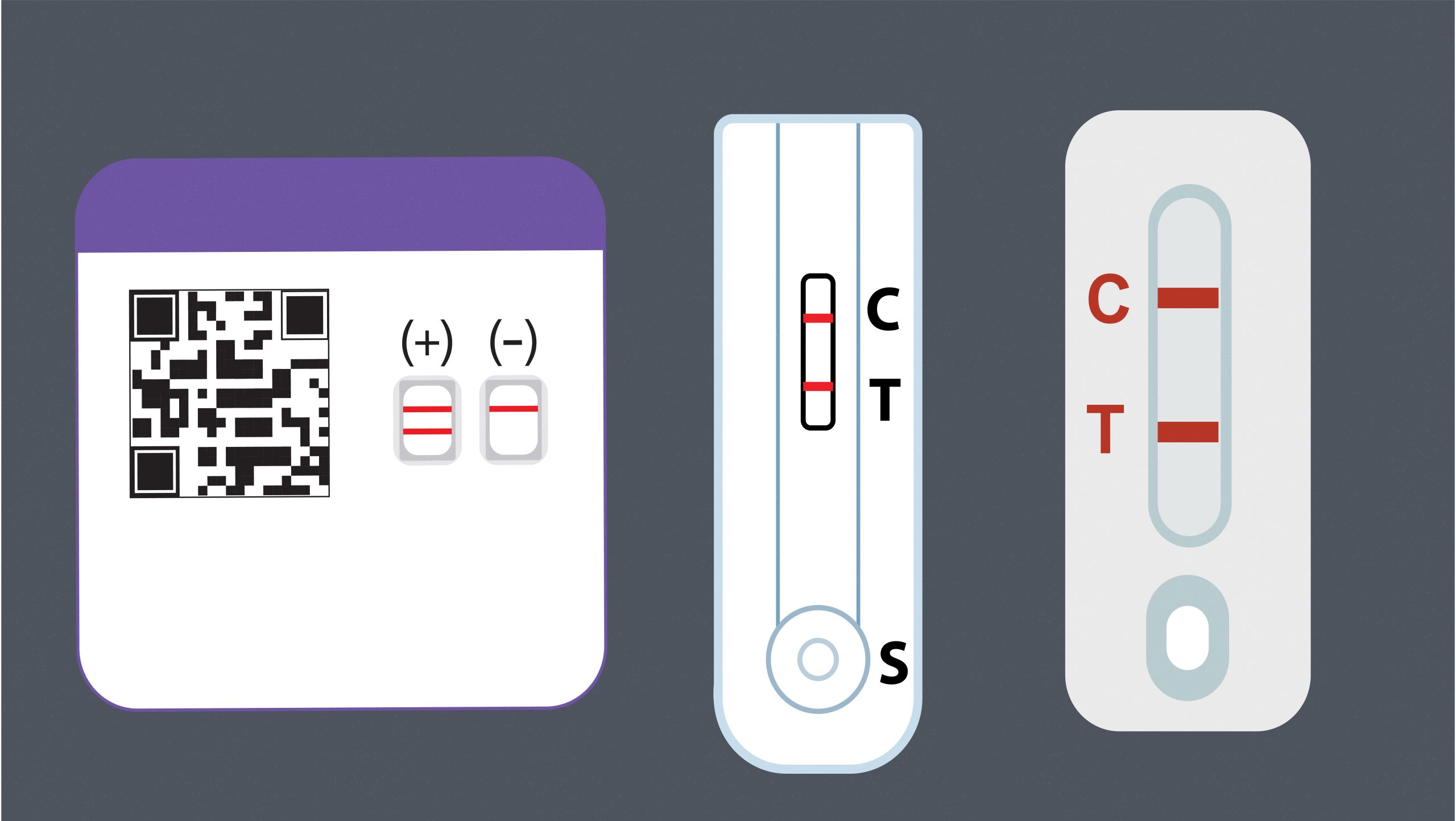 This technology not only informs but also fosters a sense of shared responsibility.
What Common Mistakes Undermine Respectful Signage?
- Over‑signing: Too many signs can overwhelm occupants, diluting the message.
- Inconsistent language: Mixing formal and informal tones may confuse readers.
- Ignoring cultural norms: Signage that doesn’t align with cultural expectations can feel disrespectful.
- Neglecting maintenance: Faded or broken signs lose credibility quickly.
How Do You Keep Signage Fresh and Functional Over Time?
- Schedule reviews: Every six months, walk through each room and assess whether the signs still serve their purpose.
- Use durable materials: Weather‑resistant vinyl or laminated cardstock ensures longevity in high‑traffic areas.
- Solicit feedback: Ask family members if a sign feels helpful or if it needs tweaking.
- Rotate messages: Seasonal or situational changes—like “Summer BBQ Safety” or “Winter Heater Precautions”—keep signage relevant.
By thoughtfully selecting, placing, and updating signs, you transform the home into a haven where respect and safety coexist. The result is a living space that feels organized, intentional, and welcoming—an environment where every family member can thrive.